Walking through Santa Teresa is one of those experiences that reminds you Rio de Janeiro is so much more than beaches and famous landmarks.
Between its cobblestone streets, beautiful old mansions, artists’ studios, lively bars, and the iconic yellow tram climbing the hills, the neighborhood blends history, art, bohemian charm, and a nostalgic atmosphere that seems to slow the city down for a while.
Perhaps that’s exactly what makes Santa Teresa so special. It feels like stepping into an older, quieter side of Rio, yet one that remains incredibly vibrant, creative, and authentic.
ply a tourist.
A look into Santa Teresa neighborhood
Located on a hillside between downtown Rio and the city’s South Zone, Santa Teresa has a personality unlike anywhere else in Rio de Janeiro.
The neighborhood grew around the Convent of Santa Teresa, built in 1750 and still home to the Order of the Discalced Carmelites.
During the 19th century, Santa Teresa became one of Rio’s most elegant residential areas. Wealthy families built impressive mansions inspired by European architecture, particularly the French style that was fashionable at the time.
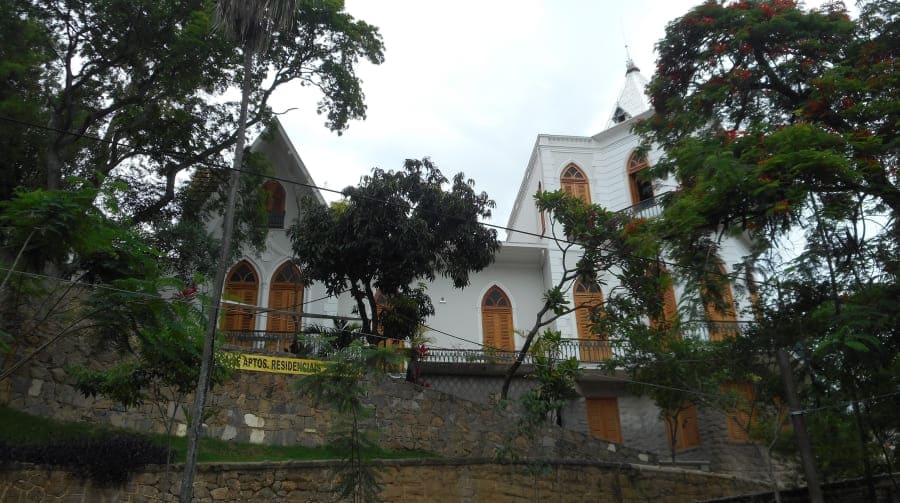
Two events played an important role in the neighborhood’s development: the yellow fever epidemic of 1850 and the inauguration of the Santa Teresa Tram in 1896.
As diseases such as yellow fever affected the city’s lower areas more severely, many families began moving to the cooler, hilltop neighborhood, which was considered a healthier place to live.
Over the decades, Santa Teresa evolved into one of Rio’s most charming and artistic neighborhoods. Its unique mix of history, architecture, culture, and small-town atmosphere continues to captivate both locals and visitors today.
How to get to the Santa Teresa neighborhood?
There are several ways to reach Santa Teresa, depending on where you’re staying and how you plan to explore Rio.
Since the neighborhood sits between downtown Rio and the South Zone, it’s easy to combine your visit with other attractions in the city center, such as the Municipal Theatre, the National Library, and the Metropolitan Cathedral.
I chose to start in downtown Rio before heading up to Santa Teresa, and I highly recommend this route.
By public Transportation
If you’re heading straight to the Santa Teresa Tram terminal, the easiest option is to take the metro to Carioca Station and walk a few minutes to the boarding point. It’s very easy to find.
The tram terminal is located next to Petrobras headquarters, at Avenida República do Chile, 65.
Trams operate throughout the day, but departure times may vary depending on demand, maintenance work, weekends, or public holidays.
Since schedules occasionally change without notice, I recommend checking the latest information before your visit.
Walking from Selarón Steps
You can also begin your visit from the famous Selarón Steps, gradually making your way uphill into Santa Teresa. Many visitors choose this route.
I decided to take the tram because my younger sister was excited to ride one of Rio’s most iconic landmarks. And honestly? I think it was the perfect choice.
After all, it’s not every day you get to ride a historic wooden tram that has become one of Rio de Janeiro’s symbols. The journey itself is part of the experience.
A few local tips
As someone who lives in Rio, here’s a tip I’d gladly share with any visitor: if possible, plan your visit on a weekday.
The neighborhood tends to be livelier, with cafés, restaurants, galleries, and local businesses operating normally. The atmosphere feels more vibrant, making it even more enjoyable to wander through the streets.
Weekends and public holidays can be quieter, as some establishments close and certain streets become less busy.
Our visit was completely relaxed, and we never felt unsafe. Still, as in any large city, it’s always wise to stay aware of your surroundings and take the usual precautions. That’s good advice anywhere in Rio, not just in Santa Teresa.
How to buy the tickets for Santa Teresa trams?
Tickets are sold directly at the tram terminal on Rua Lélio Gama, 2, in downtown Rio.
At the time of writing, a round-trip ticket costs R$20 per person, and the fare has remained unchanged for several years.
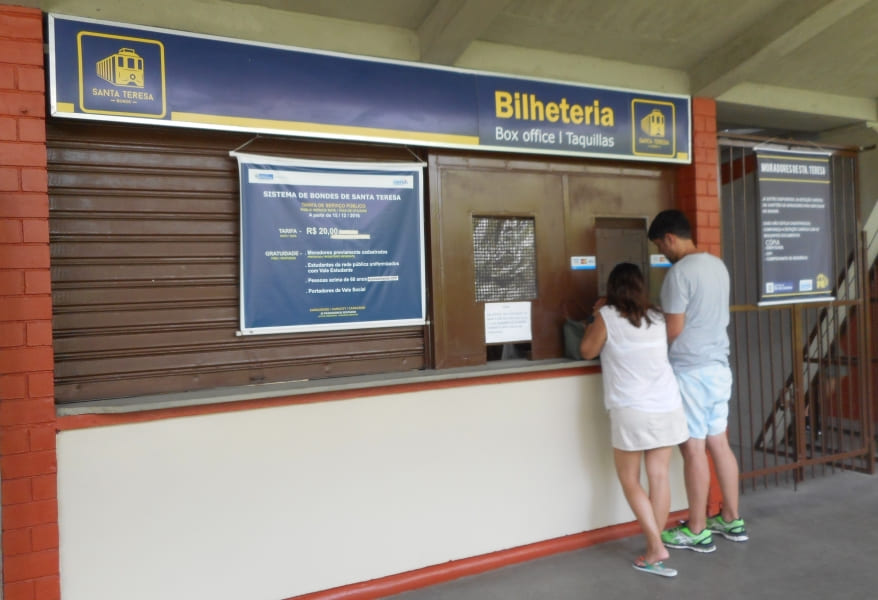
There’s no need to book in advance. Simply purchase your ticket at the station before boarding.
Keep in mind that trams have limited capacity and are especially popular on weekends, public holidays, and sunny days.
During busy periods, tickets may sell out well before the end of the operating day, so arriving a little earlier is always a good idea.
How to explore Santa Teresa neighborhood?
One thing I can guarantee: even if you only have a few hours in Santa Teresa, you’ll quickly understand why so many people fall in love with this neighborhood.
But if you really want to experience its unique atmosphere, slow down and allow yourself to wander. Santa Teresa isn’t a place to rush from one attraction to another.
The real magic lies in getting pleasantly lost among its cobblestone streets, colourful façades, artists’ studios, charming cafés, and unexpected viewpoints.

As you stroll through the neighborhood, you’ll discover small galleries, local craft shops, traditional bars, and restaurants that invite you to linger a little longer. Every corner seems to reveal something different.
And don’t forget your camera. Some of the best views of Rio appear when you least expect them.
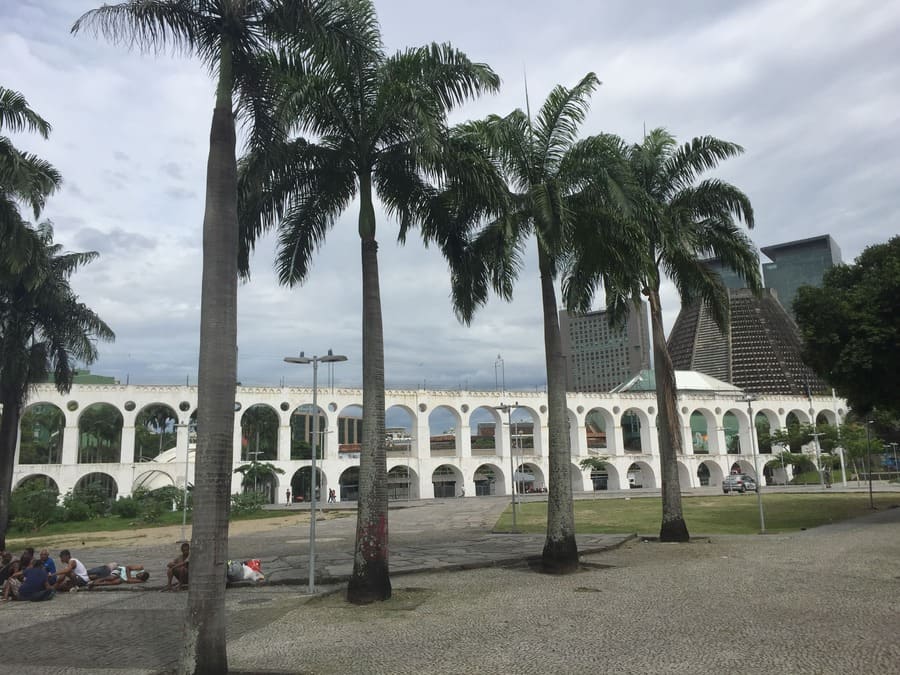
In fact, the photo opportunities begin before you even arrive. One of the highlights of the tram ride is crossing the top of the iconic Lapa Arches, offering a perspective that many visitors don’t even realize exists.
Discover the stories behind Santa Teresa
Santa Teresa has countless stories hidden behind its colorful streets and historic buildings. A guided visit offers a deeper understanding of the neighborhood’s past, its creative spirit, and the small details that many visitors overlook.
If you’d like to explore Santa Teresa with a local guide, this free walking tour is a great place to start.
Where to start exploring Santa Teresa
At first glance, Santa Teresa may seem like a maze of steep streets and winding hills. In reality, the neighborhood is surprisingly easy to explore, especially if you arrive by tram.
Most visitors spend their time around two main stops: Largo do Curvelo and Largo dos Guimarães. Each offers a different side of the neighborhood.
Largo do Curvelo is the ideal place to begin if you’d like to visit Parque das Ruínas and Chácara do Céu Museum before wandering through the surrounding streets.
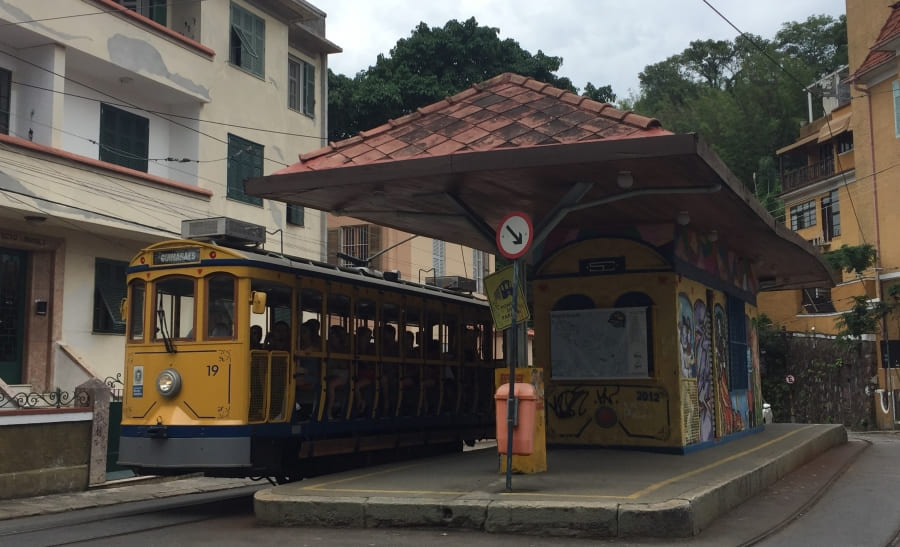
A little farther along, Largo dos Guimarães is considered the heart of Santa Teresa. This is where you’ll find many of the neighborhood’s cafés, bars, restaurants, and independent shops.
But honestly? Don’t worry too much about following a strict route. Santa Teresa is one of those places where walking without a plan often leads to the best discoveries.
Hidden art studios, colourful murals, charming cafés, and beautiful viewpoints seem to appear around every corner.

If you’re up for a little exercise, you can finish your visit by walking down the famous Selarón Steps toward Lapa. The route is well signposted and easy to follow.
One final tip: if you plan to return downtown by tram, you may have to wait a little during busy periods, as the trams often fill up before reaching the intermediate stops.
Where to eat in Santa Teresa
One of the best things about visiting Santa Teresa is that lunch, coffee, or even a late-afternoon drink naturally becomes part of the experience.
The neighborhood is filled with charming cafés, traditional bars, and inviting restaurants where slowing down feels almost mandatory.
Before my visit, I asked a friend who used to live in Santa Teresa for recommendations. Within minutes, I realized I had a delightful problem: there were far more interesting places than I could possibly try in a single day.
Local favorites
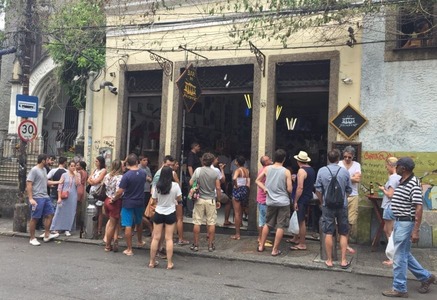
If you’d like to experience classic Brazilian cuisine, Bar do Mineiro is one of Santa Teresa’s best-known restaurants and is especially famous for its feijoada.
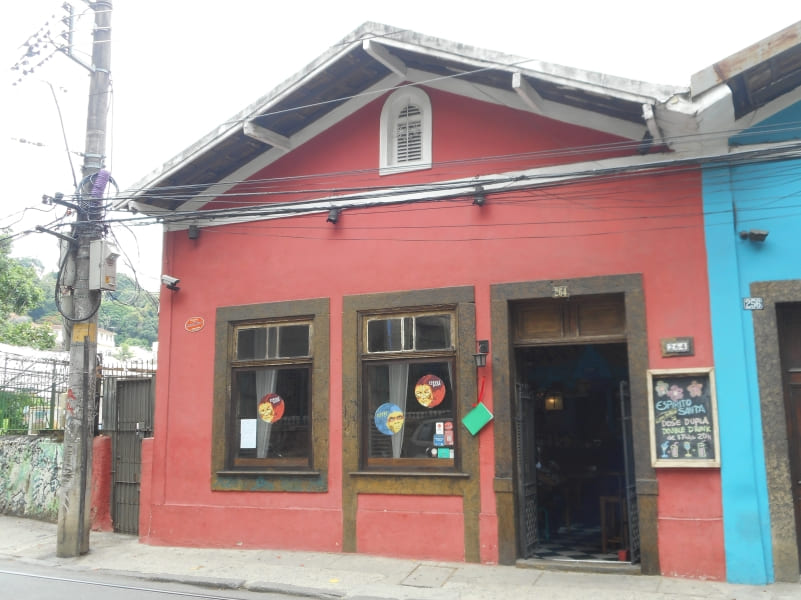
Another excellent option is Espírito Santa, where Brazilian ingredients are reimagined through contemporary cuisine.
A pleasant surprise
We also tried to get a table at Armazém São Thiago, a historic bar that many locals still affectionately call Bar do Gomez.
Unfortunately, the waiting line was so long that we decided to keep exploring.
In the end, we stopped at Adega do Pimenta, a German restaurant that turned out to be a wonderful surprise.

We ordered meat croquettes and a selection of German sausages to enjoy with an ice-cold beer, and everything was delicious.

A few tips before you go
If you have a particular restaurant in mind, try to arrive a little earlier, especially on weekends, public holidays, and sunny days.
Santa Teresa is extremely popular, and waiting for a table at the most famous places is quite common.
But honestly? That’s part of the neighborhood’s charm. Santa Teresa isn’t a place to rush through lunch before moving on to the next attraction.
Here, lingering over a leisurely meal or enjoying a drink while watching everyday life unfold is simply part of the experience.
Selarón Steps: an icon of Santa Teresa neighborhood
Connecting the lively neighborhood of Lapa to the hills of Santa Teresa, Selarón Steps is far more than a colorful staircase. Today, it’s one of Rio de Janeiro’s most photographed landmarks and an attraction that has become a symbol of the city’s creative spirit.
The transformation began in the early 1990s, when Chilean-born artist Jorge Selarón moved to Santa Teresa and set up his studio nearby.
Around 1994, he started covering the steps in front of his home with colorful ceramic tiles. What began as a personal art project gradually expanded until it covered the entire staircase, eventually becoming one of Rio’s most recognizable public artworks.
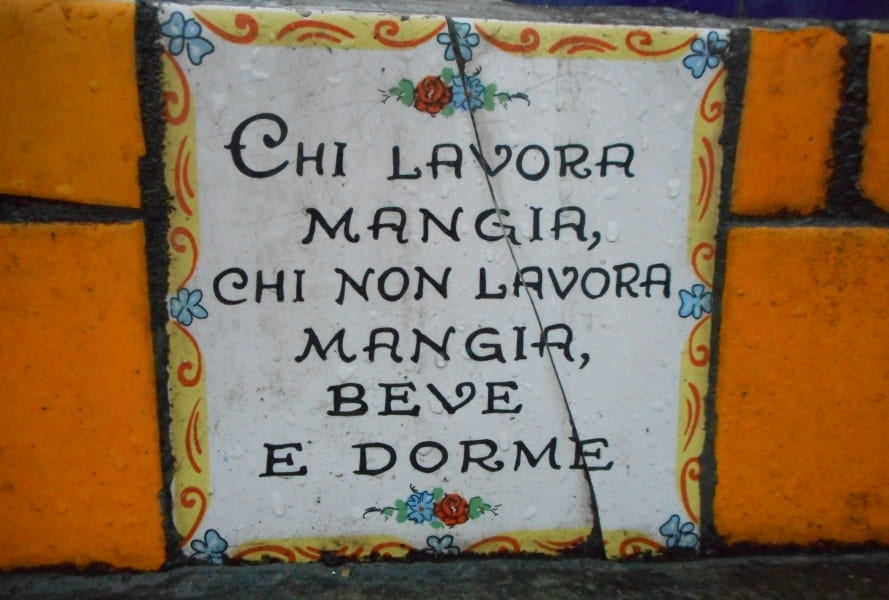
Over the years, visitors from all over the world began bringing tiles from their own countries, turning the staircase into a giant mosaic that celebrates cultures from every continent.

More than just a staircase
For me, that’s what makes Selarón Steps so special.
Everyone seems to find a tile that sparks a memory, reminds them of a place they’ve visited, or inspires them to dream about somewhere they’d love to explore one day.
Naturally, I found myself searching for the Dutch tiles. After living in the Netherlands for several years, it remains a country that will always have a special place in my heart.
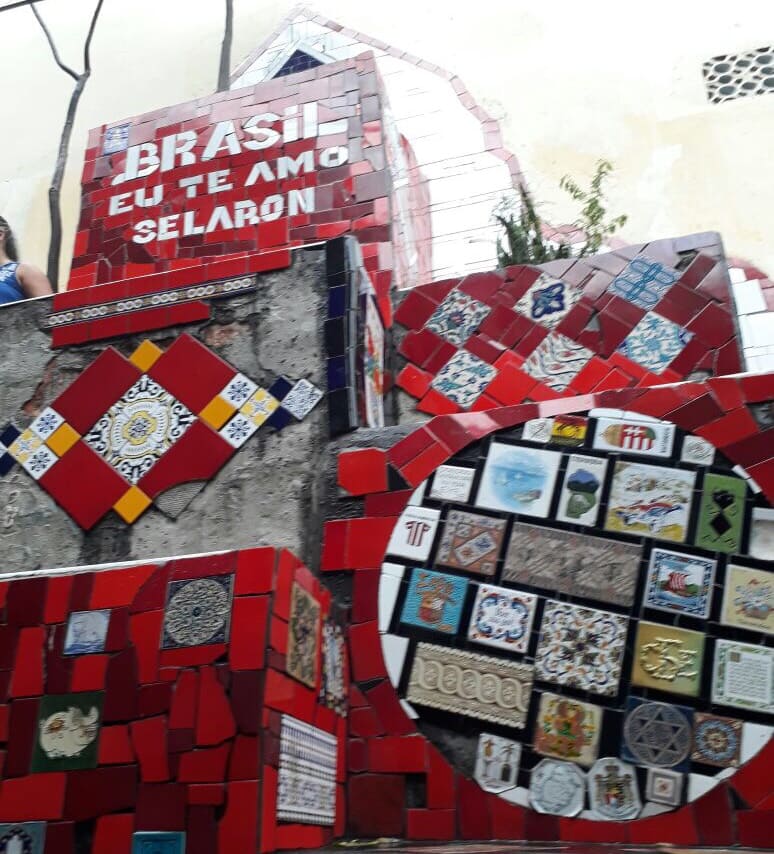
I was genuinely happy when I spotted a few of them among the thousands of colorful tiles.
My guess is that many visitors experience something similar. Somehow, in the middle of this enormous mosaic, everyone finds a small piece that feels surprisingly personal.
Take your time
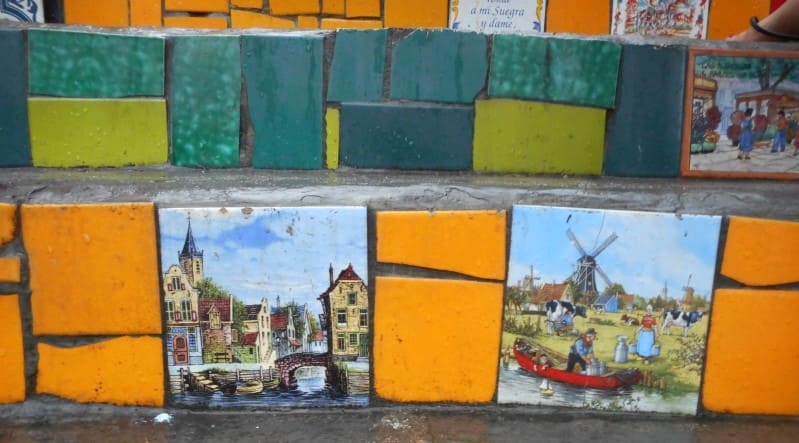
One of the things that surprised me most was how different the experience feels compared to the photos.
You arrive expecting to admire a beautiful staircase. Instead, you end up stopping every few steps, noticing tiny details, discovering unexpected tiles, and taking far longer than you had planned.
For the people who live nearby, Selarón Steps may simply be part of their daily routine.
For visitors, however, it becomes something much more meaningful: a symbolic journey through memories, cultures, and places that may be far away geographically, yet remain close to the heart.
Make the most of your visit to Santa Teresa
By the time you leave Santa Teresa, you’ll probably understand why so many people fall in love with this neighborhood.
History, art, beautiful viewpoints, great food, and a slower pace of life all come together to create one of Rio’s most authentic experiences.
But your day doesn’t have to end there.
Just a few minutes away, you’ll find Lapa, the Municipal Theatre, the National Library, the Metropolitan Cathedral, and several museums and cultural landmarks that tell the story of Rio beyond its famous beaches.
Continue exploring Rio’s historic center
If you’d like to discover the fascinating stories behind these landmarks, joining a guided walking tour of Downtown Rio and Lapa is an excellent next step.
Local guides bring the city’s history to life while introducing places that many visitors would otherwise simply walk past.
It’s one of my favorite ways to experience a different side of Rio, especially if you’re interested in history, architecture, and local culture.
Need help planning your trip to Rio?
If you’d like to explore Rio beyond the obvious, I’d be happy to help you plan a trip that matches your interests and travel style.
Through Turista FullTime Trips, I create personalized itineraries and can also help you book tours, accommodations, airport transfers, travel insurance, attraction tickets, and more.